How to Plan a Faith‑Inspired Educational Workshop for Your Church or Community Group in Sussex
Practical, step‑by‑step guidance for church leaders and community organisers in Sussex on choosing themes, formats, logistics and follow‑up to run a meaningful faith‑inspired educational workshop.
Why a faith‑inspired workshop can help your group
A short, well‑crafted workshop can deepen spiritual understanding, strengthen community bonds and equip participants with practical skills. For churches and community groups in Sussex, a local workshop creates space for shared reflection, storytelling and personal development. Whether your aim is Bible study enriched by creative methods, faith‑inspired personal growth, or outreach through storytelling, clarity about purpose will shape every planning decision.
Clarify goals and know your audience
Begin by defining two or three clear goals: what should participants know, feel or be able to do after the session? Next, consider your audience—age ranges, group size, prior knowledge and any faith backgrounds. A workshop for young families will need different pacing and activities than a session for church leaders or an intergenerational community group. Keeping the audience in mind helps you choose language, materials and the right level of reflection.
Choose themes and learning outcomes
Select themes that connect spiritual ideas to everyday life—examples include creative storytelling of parables, spiritual practices for daily life, or using faith to support personal purpose and resilience. For each theme, write one or two concrete learning outcomes (for example: ‘participants will be able to tell a short faith story that connects to a present‑day issue’). Outcomes keep the workshop focused and give participants a sense of accomplishment.
Pick a format and structure that fits your group
Decide whether the workshop will be a single 60–90 minute session, a half‑day event, or a short series. Common formats that work well in churches and community halls include an opening presentation, a guided small‑group activity, practical hands‑on work, and a closing reflection. If space is limited, consider a conversational panel or a storytelling evening. For leaders wanting external support, organisations offering educational talks and author or literary workshops can provide ready‑made session outlines and facilitation.
Design engaging activities and prepare materials
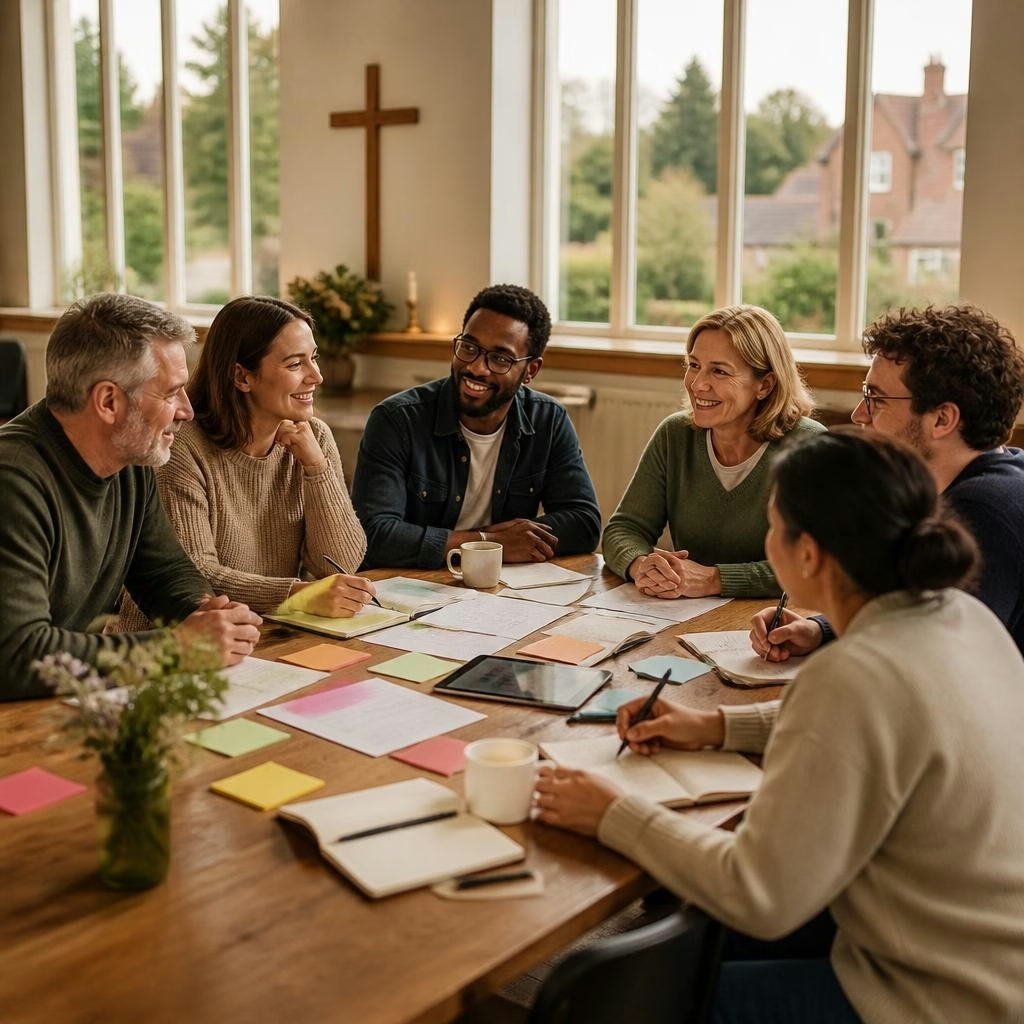
Use a mix of short talks, interactive exercises, and creative tasks to keep people engaged. Activities might include paired storytelling, role play, reflective journaling, or a collaborative art piece that expresses a spiritual theme. Prepare a simple handout or slide with key prompts and questions, and have basic supplies on hand—paper, pens, sticky notes. Make sure any spiritual content is accessible and respectful of different faith journeys within the room.
Logistics, accessibility and local considerations
Choose a venue that suits your format—church meeting rooms, parish halls or community centres across Sussex (for example in Lewes, Brighton or Eastbourne) often work well. Check seating layout, sound, lighting and whether you need a projector. Make the event accessible: offer step‑free entry, clear signage, large‑print materials and consider childcare or quiet spaces if needed. Plan timing to suit your attendees—weekday evenings or weekend mornings are common choices for local groups.
Promote, facilitate thoughtfully and follow up
Promote the workshop through church notices, community newsletters, social media and word of mouth, highlighting clear benefits and practical details. On the day, begin with a warm welcome and set simple ground rules for respectful conversation. Aim for facilitation that invites participation rather than lecturing—use open questions and short plenaries to surface learning. Finally, build in follow‑up: share resources, offer a sign‑up for further sessions, or suggest small steps participants can take at home. Local educational consultants and speakers can support any stage of this process, from planning and delivery to professional development for your leaders.
Article by
Invoking The Holy Spirit
Educational consultant based in Sussex, providing educational consultancy, coaching, guidance workshops, speaking engagements, educational visits and professional development for individuals, organisations and community groups. Moustapha works with individuals, educational organisations, churches, charities, local community organisations and faith-based groups, delivering tailored 1:1 consultancy, workshops and educational sessions across Sussex, Kent and Surrey. His work focuses on spiritual education, creative storytelling, personal development, faith-inspired learning and practical guidance, helping people grow in knowledge, understanding and purpose.